
How Solo Devs Can Get Their First 1,000 Users Without a Marketing Team
We've built the infrastructure around KOL marketing that individual founders can't realistically build themselves.

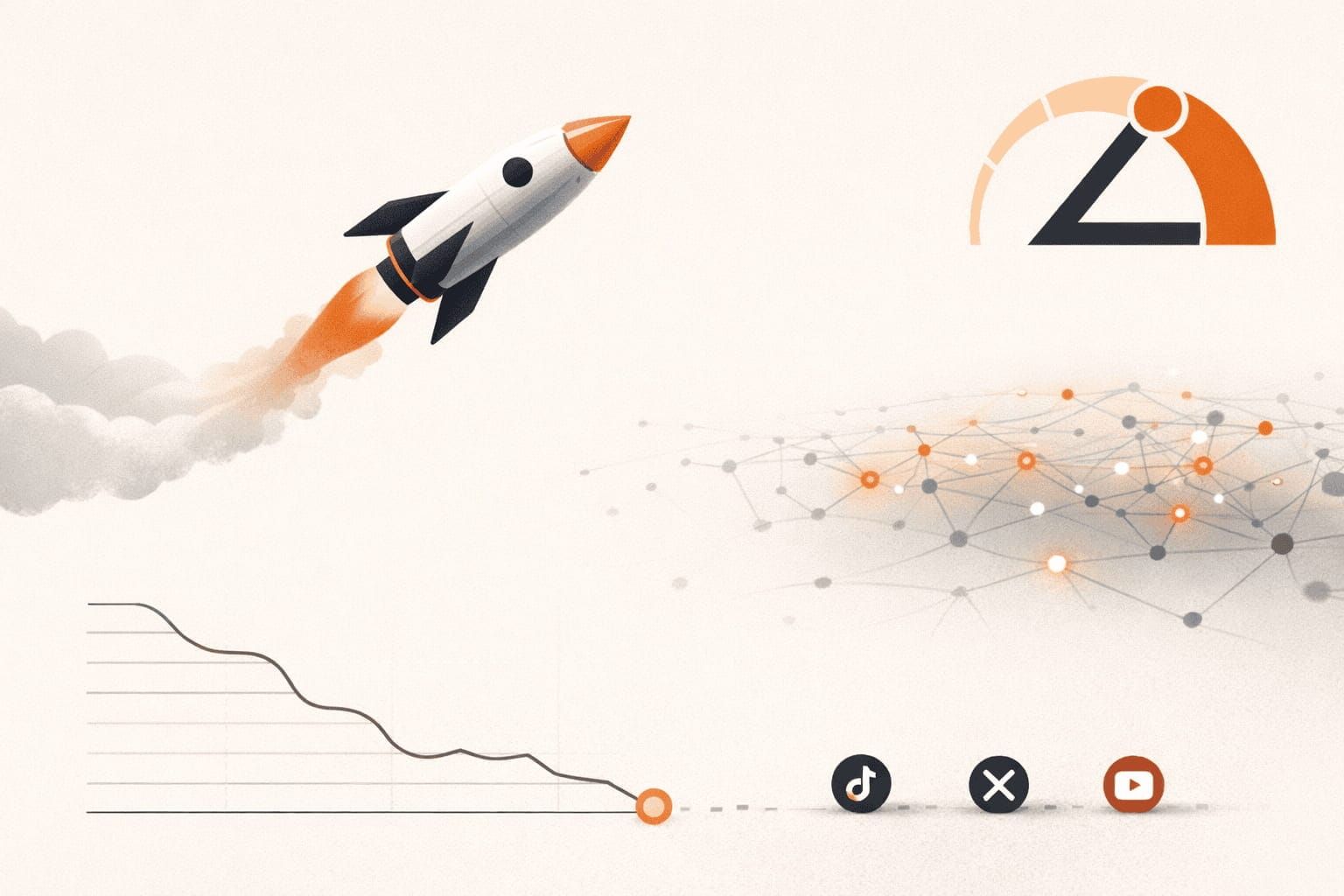
You spent three weeks building something genuinely useful. The code is clean. The UI is slick. You even wrote a README.
Then you posted it on X, got 12 likes (six of them from mutuals who didn't click the link), and watched your traffic flatline in real time.
Welcome to the app graveyard.
It's full of great products: tools that solved real problems, apps that deserved to exist, that simply ran out of runway before anyone found them.
The problem wasn't the product. The problem was distribution.
And in 2025, building is the easy part. Vibe coding, AI-assisted development, no-code tools have made sure of that. Anyone can ship now.
The actual moat is getting people to care.
Why Your Marketing Playbook Is Broken Before You Start
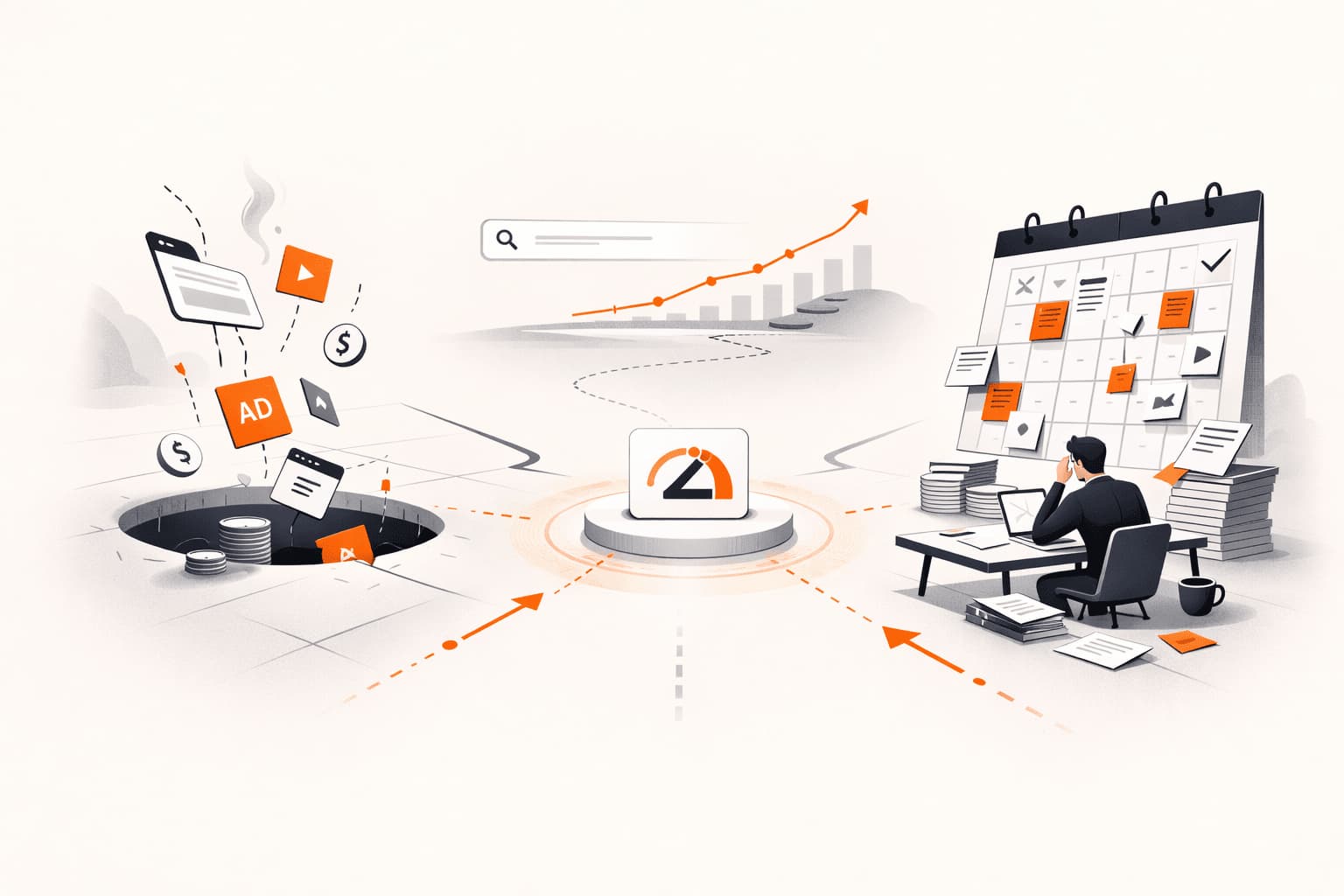
Let's be honest about the standard advice indie hackers get when they ask "how do I grow this thing?"
- Run paid ads.
Sure, if you have $20K to spend learning that your ICP isn't who you thought it was. Google and Meta ads require budget, expertise, and iteration cycles most solo devs don't have. You'll burn cash before you find a winning creative.
- Do SEO.
Solid long-term play. Also completely useless if you need traction in the next 90 days. Building domain authority takes 6+ months minimum, and you're competing against content farms with full-time writers.
- Start a content marketing strategy.
This one's a favorite piece of bad advice. Content marketing is a full-time job. You're already doing product, support, and sales. You don't have time to publish content all week and stay consistent for the 8 months it takes to compound.
None of these are wrong, exactly. They're just completely mismatched to where you actually are: early stage, limited budget, needing signal now, not in Q3.
What actually works at this stage is getting the right people talking about your thing. That's true for basically every breakout indie hacker product in the last two years.
 Lever.io
KOL Marketing: The Highest-Leverage Channel Nobody Talks About Enough

KOL marketing for startups sounds like something a VC-backed team with a marketing department does.
It's not.
It's actually the most accessible high-leverage channel available to solo founders, if you do it right.
A KOL (Key Opinion Leader) is just a creator with an engaged audience that trusts them. In the dev and tech space, that means YouTubers doing tool reviews, X accounts with 30K engaged followers, newsletter writers who reach CTOs, Discord community managers, and Twitch streamers who build in public.
When one of these people genuinely recommends your product, you get something no ad can buy: instant credibility.
The math is simple.
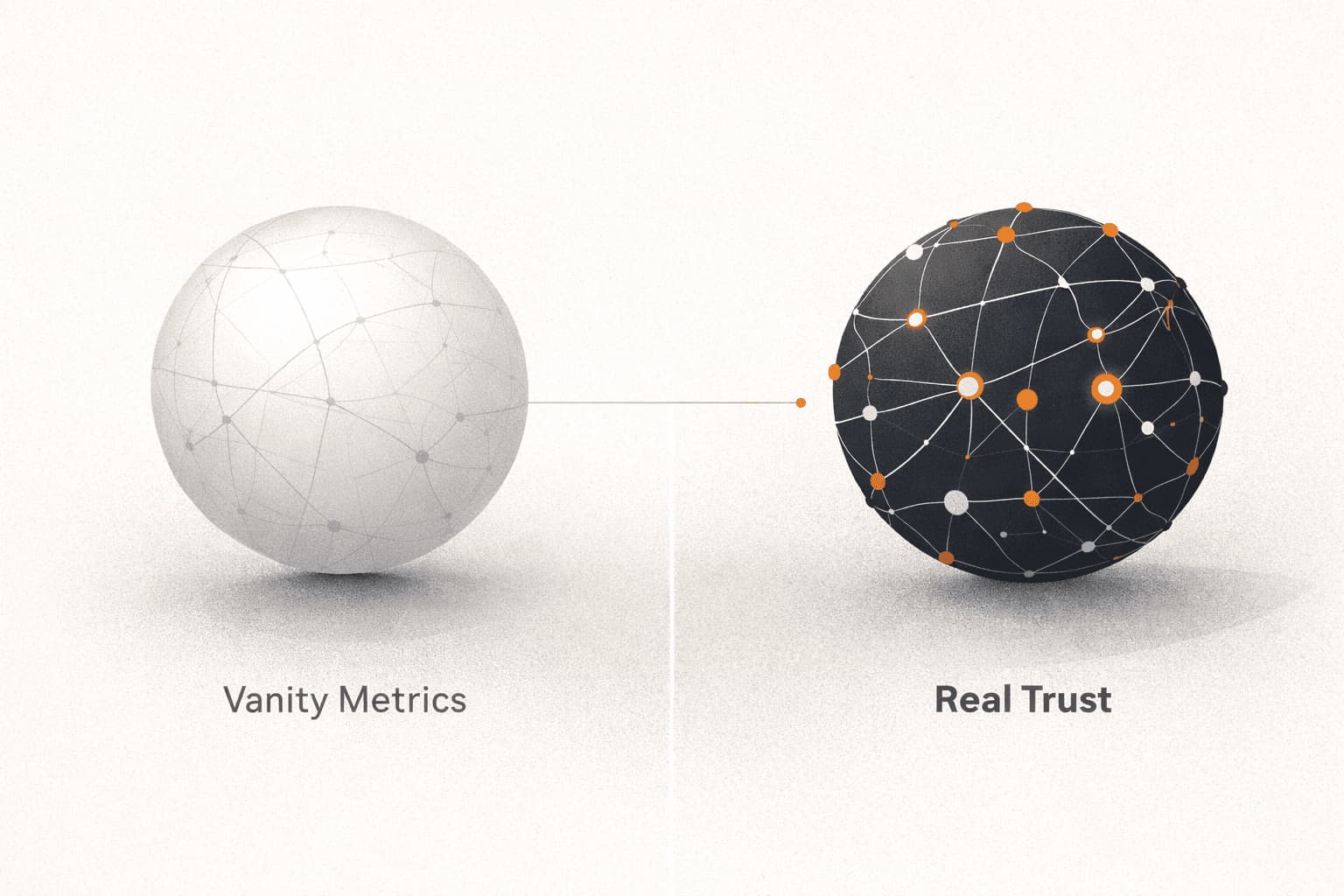
An engaged audience of 50,000 developers who trust a creator is worth more than 500,000 impressions from a programmatic ad campaign.
People buy from people they trust.
An authentic demo from someone they follow converts at a completely different rate than a banner ad.
Why Most Devs Get This Completely Wrong
Here's what the typical indie hacker approach to influencer marketing looks like:
- They find a few creators in their space.
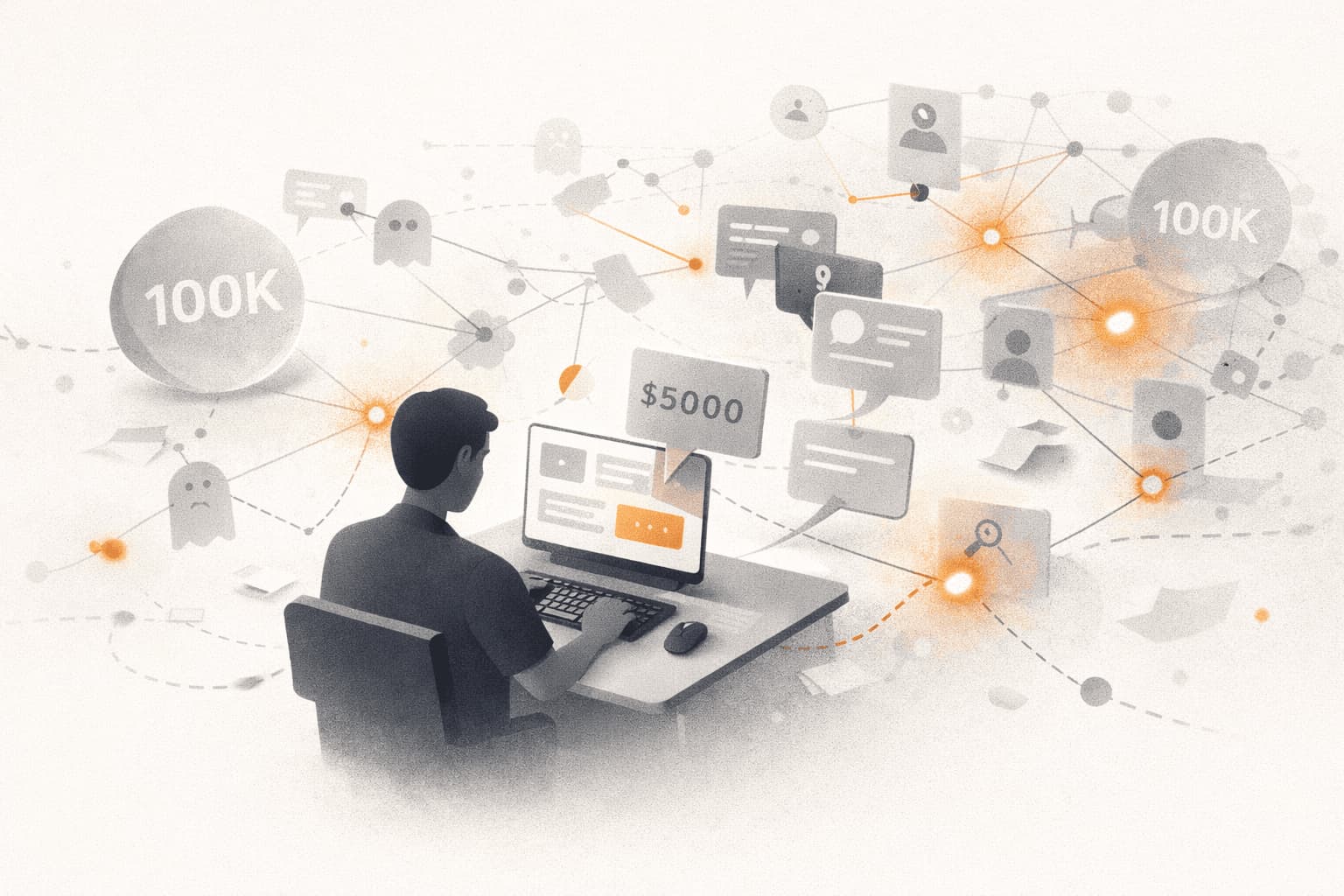
- They fire off cold DMs that say something like "hey, I built this cool tool, would you be interested in trying it?"
- They either get ghosted or get a reply asking for $5,000.
- They conclude that influencer marketing is a scam.
The mistakes here are stacked. They're DMing people with no relationship, no context, and no understanding of what a fair rate looks like.
They don't know the difference between a creator with 100K followers who converts and one with 100K followers who's been coasting on vanity metrics for two years.
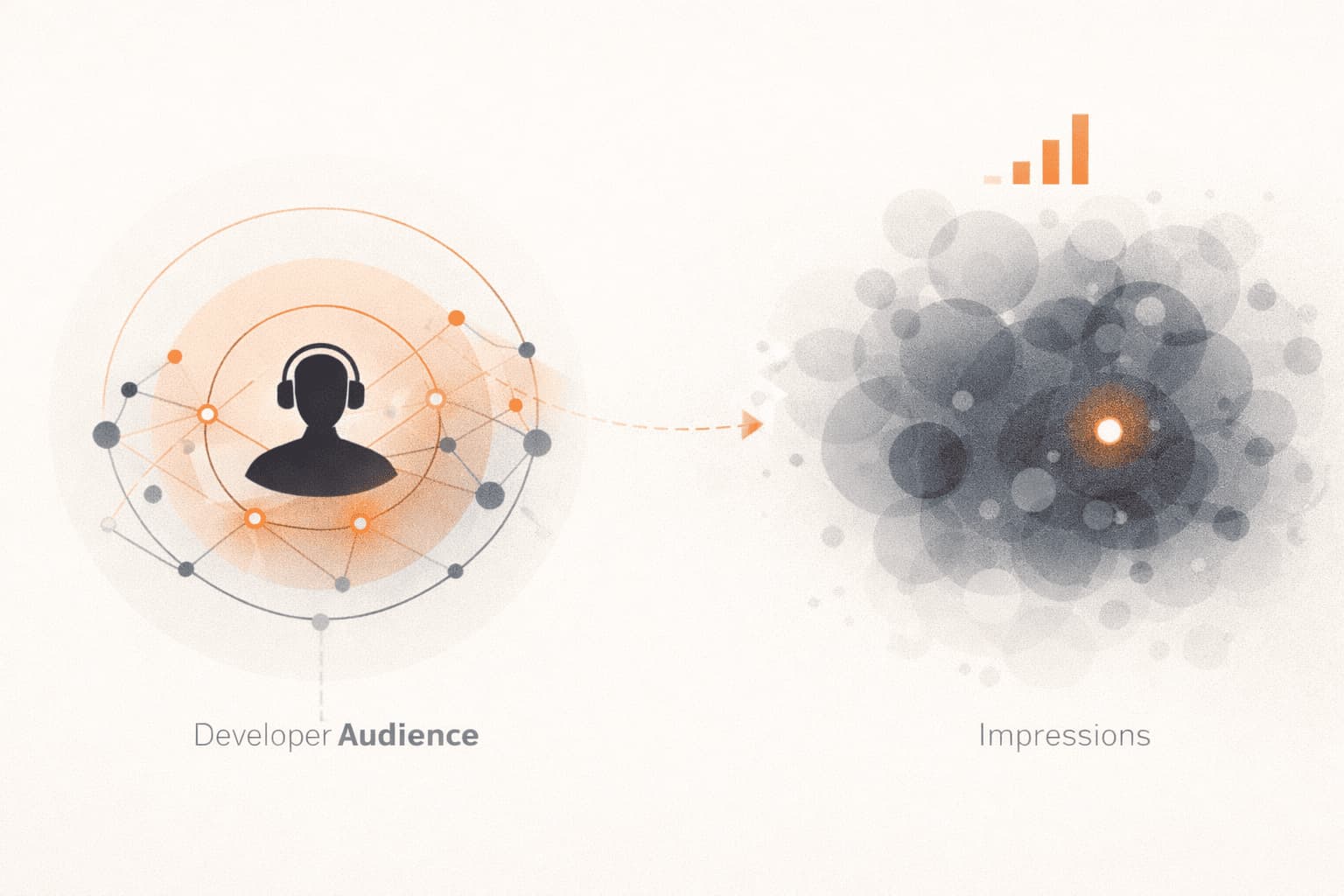
They can't tell who in their niche is actually trusted vs. just loud.
Indie hacker distribution through KOLs is a relationship-driven game that requires knowing the ecosystem:
- What's a fair rate for a sponsored post from a dev-focused YouTube channel with 40K subscribers?
- What's the expected conversion rate?
- What type of integration actually moves the needle for your category: a dedicated review, a tutorial mention, a newsletter shoutout?
Most founders have no idea. And without that knowledge, you're either overpaying, getting ripped off, or not getting responses at all.
This is the gap. The product is great. The channel works. The execution is broken.
Lever.io: The Distribution Layer Vibe Coders Have Been Missing
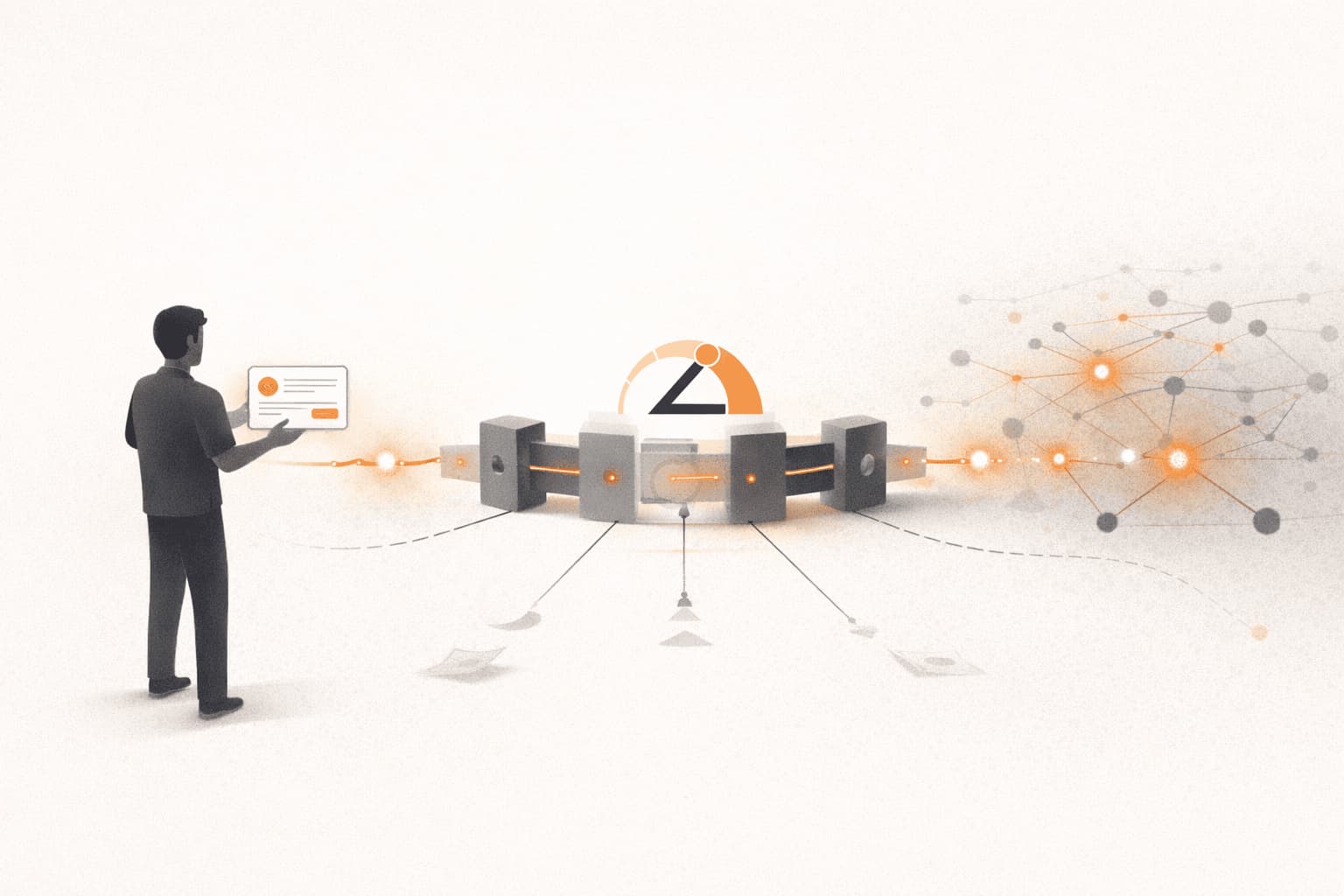
This is exactly the problem Lever.io is built to solve.
Think of Lever.io as your distribution team on demand: the piece that turns a great product into a product people actually hear about.
We've built the infrastructure around KOL marketing that individual founders can't realistically build themselves: the creator relationships, the rate benchmarks, the performance data, the negotiation playbook.
Instead of you cold DMing creators and hoping for the best, Lever.io handles the matchmaking.
We pair your product with the right creators in your niche, people whose audiences actually overlap with your users.
Instead of you guessing at rates and hoping the creator delivers, we handle the negotiation and execution.
You stay in the product. Lever handles distribution.
For solo devs and small teams, Lever is the highest-ROI move available.
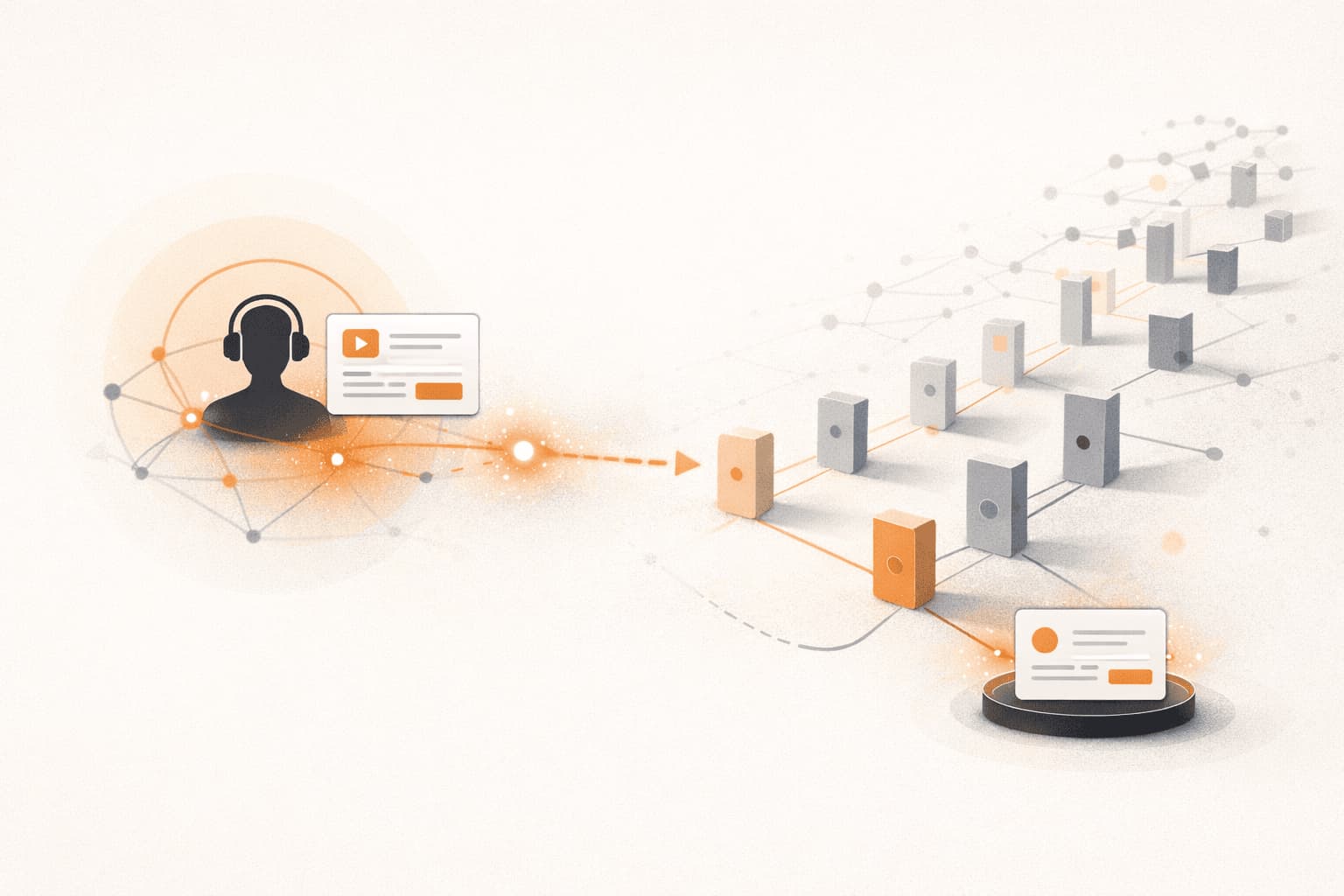
You're not buying ads into a void. You're getting real people with real audiences to talk about what you built, which (if your product is good) is genuinely the most efficient way to turn a launch into a growth moment.
It's how the tools you're already using got on your radar in the first place.
The goal isn't to outsource your entire go-to-market.
It's to stop letting good products die in obscurity because you didn't have time to figure out a completely different discipline.
Build what you're good at.
Get help with the rest.
You already did the hard part. You built something worth talking about.
Let Lever.io get it in front of the people who need to hear about it.
Contact us for a consultation today.